
A rectovaginal fistula is a sensitive and often life-disrupting medical condition. At Park Avenue Colon and Rectal Surgery, we understand the significant physical and emotional toll it can take. Our mission is to provide compassionate, expert-level care using the latest surgical and minimally invasive treatments available.
Located in the heart of Manhattan, our practice offers individualized evaluation, advanced diagnostics, and tailored treatment plans to restore function, comfort, and quality of life.
What Is a Rectovaginal Fistula?
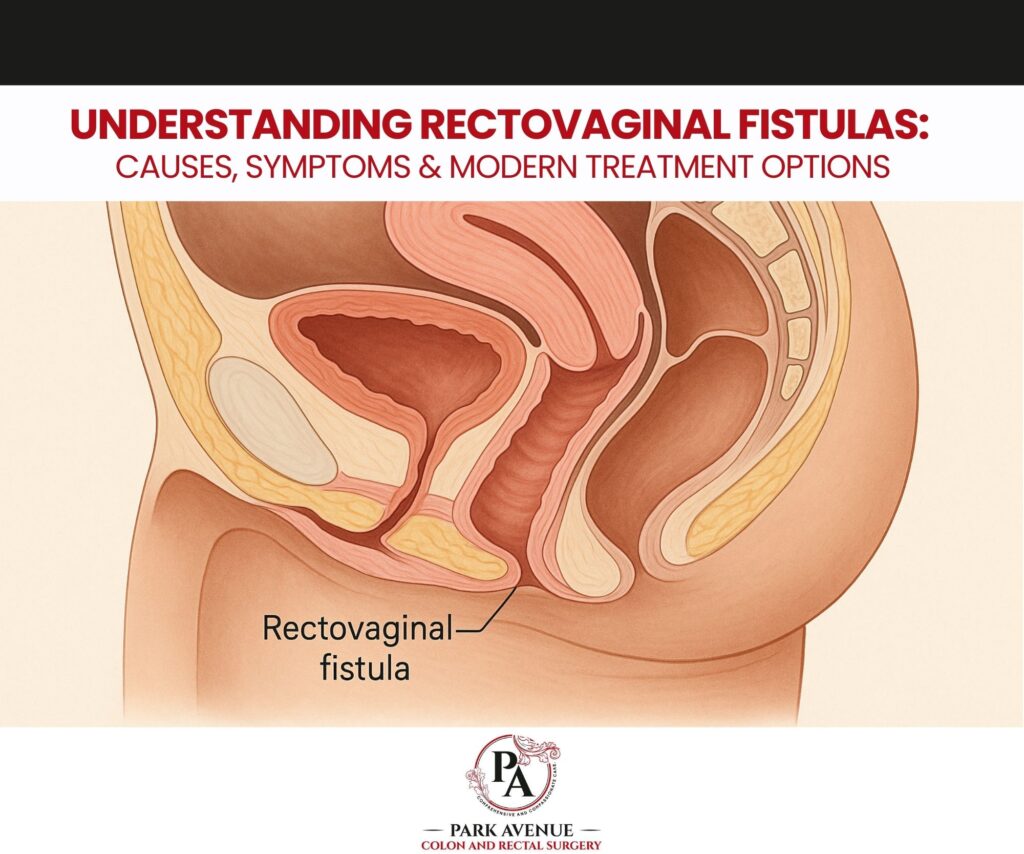
A rectovaginal fistula (RVF) is an abnormal connection between the rectum and the vagina. This opening allows stool, gas, or discharge to pass from the bowel into the vagina, leading to discomfort, hygiene issues, and recurrent infections. Because RVFs involve two delicate and functional areas of the body, they often require the expertise of a skilled colorectal surgeon.
Common Causes of Rectovaginal Fistulas
Rectovaginal fistulas can occur for several reasons, including:
1. Obstetric Trauma
- Complications during childbirth
- Severe perineal tears
- Prolonged labor
- Use of forceps or vacuum extraction
Obstetric injury is one of the most common causes globally.
2. Inflammatory Bowel Disease (IBD)
- Most often associated with Crohn’s disease
- Chronic inflammation can weaken tissues, leading to fistula formation
3. Surgical Complications
- After procedures involving the rectum, vagina, or perineum
- Following hysterectomy or pelvic surgery
4. Radiation Therapy
- Pelvic radiation can damage healthy tissues over time
5. Infection or Abscess
- Untreated infections may create tracts between organs
6. Cancer
- Rectal or gynecologic cancers can erode surrounding tissues
Common Symptoms
Patients with a rectovaginal fistula may experience:
- Passage of stool or gas through the vagina
- Recurrent vaginal infections
- Foul-smelling vaginal discharge
- Pain during intercourse
- Skin irritation of the perineal area
- Difficulty controlling bowel movements
These symptoms can significantly affect emotional well-being, social comfort, and daily activities—making timely evaluation very important.
Diagnosis at Park Avenue Colon and Rectal Surgery
Our surgeons take a thoughtful, patient-centered approach to diagnosis, which may include:
- Detailed medical history and symptom review
- Physical examination
- Endoscopy (colonoscopy or sigmoidoscopy)
- MRI of the pelvis or endoanal ultrasound
- Dye tests to locate the fistula tract
Accurate diagnosis is essential to creating a successful treatment plan.
Treatment Options
Treatment depends on the cause, size, and complexity of the fistula, as well as the patient’s overall health. At Park Avenue Colon and Rectal Surgery, we offer:
1. Conservative Management
In very small or uncomplicated cases, temporary non-surgical management may allow the fistula to heal. This may include antibiotics or addressing an underlying infection.
2. Surgical Repair
Surgery is often the most effective solution. Options may include:
- Local tissue repair
- Advancement flap procedures
- LIFT procedure (ligation of intersphincteric fistula tract)
- Seton placement (particularly for Crohn’s-related fistulas)
- Robotic or minimally invasive repair
- Stoma creation in complex cases to allow healing
3. Treatment of Underlying Conditions
Managing Crohn’s disease or other contributing illnesses is crucial for long-term success.
4. Collaborative Care
Our surgeons work closely with gynecologists, gastroenterologists, and pelvic floor specialists to ensure comprehensive healing.
Frequently Asked Questions (FAQ)
What causes a rectovaginal fistula to form?
The most common causes include childbirth injury, Crohn’s disease, prior pelvic surgery, radiation therapy, or infection. In some cases, cancer can be responsible.
How do I know if I have a rectovaginal fistula?
If you notice stool or gas passing from the vagina, or experience persistent discharge and infections, you should schedule an evaluation promptly. These symptoms are not normal and should be assessed by a specialist.
Can a rectovaginal fistula heal on its own?
Small fistulas from minor trauma may occasionally heal without surgery, but most require surgical repair—especially if symptoms persist.
Is surgery painful?
Modern surgical techniques aim to minimize discomfort. Pain is typically manageable with medication, and many patients return home the same day or the next.
How successful is surgery?
Success rates are high when the procedure is tailored to the cause and anatomy of the fistula. Proper diagnosis and control of underlying conditions (like Crohn’s disease) significantly improve outcomes.
Will I need a temporary colostomy?
Only in complex cases. This decision is based on tissue quality, severity, and the presence of inflammation or infection.
How long is the recovery process?
Recovery varies but often ranges from a few weeks to a few months. We provide detailed postoperative care plans and follow-up appointments to ensure optimal healing.
Why Choose Park Avenue Colon and Rectal Surgery?
Patients trust our practice because we provide:
- Expert board-certified colorectal surgeons
- Advanced, minimally invasive surgical options
- Personalized treatment plans
- Compassionate and confidential care
- Convenient Manhattan location
Your comfort, dignity, and well-being are our highest priorities.
Contact Information
Park Avenue Colon and Rectal Surgery
📍 36 E 36th St, 1C, New York City, NY 10016
📞 Phone: (646) 822-0228
🌐 Website: https://marshaharrismd.com
🗓 Appointments: https://marshaharrismd.com/appointments
If you are experiencing symptoms of a rectovaginal fistula or have questions about treatment options, we encourage you to contact our office. Compassionate, expert care is just a phone call—or a click—away.